A colleague recently shared something with me that stopped me in my tracks. After 30 years as a singer and voice teacher, she’s been diagnosed with irreversible vocal polyps that will end her career. But here’s the part that made me realize we need to talk about this more openly: she told me about the years of yelling and fighting with her ex-husband during their 25-year marriage, and how those battles depleted her energy. As I listened, my heart broke for her and for the countless voice professionals who misunderstand that you cannot separate your professional voice from your personal life. Every argument, every scream, every moment of chronic stress in your relationships is happening to the same vocal cords you use to teach, to perform, to create art.
This is not just a story about losing a voice. It’s about the devastating price of emotional toxicity and why the Integrative Vocal Wellness insists that emotional wellness and vocal wellness are inseparable.
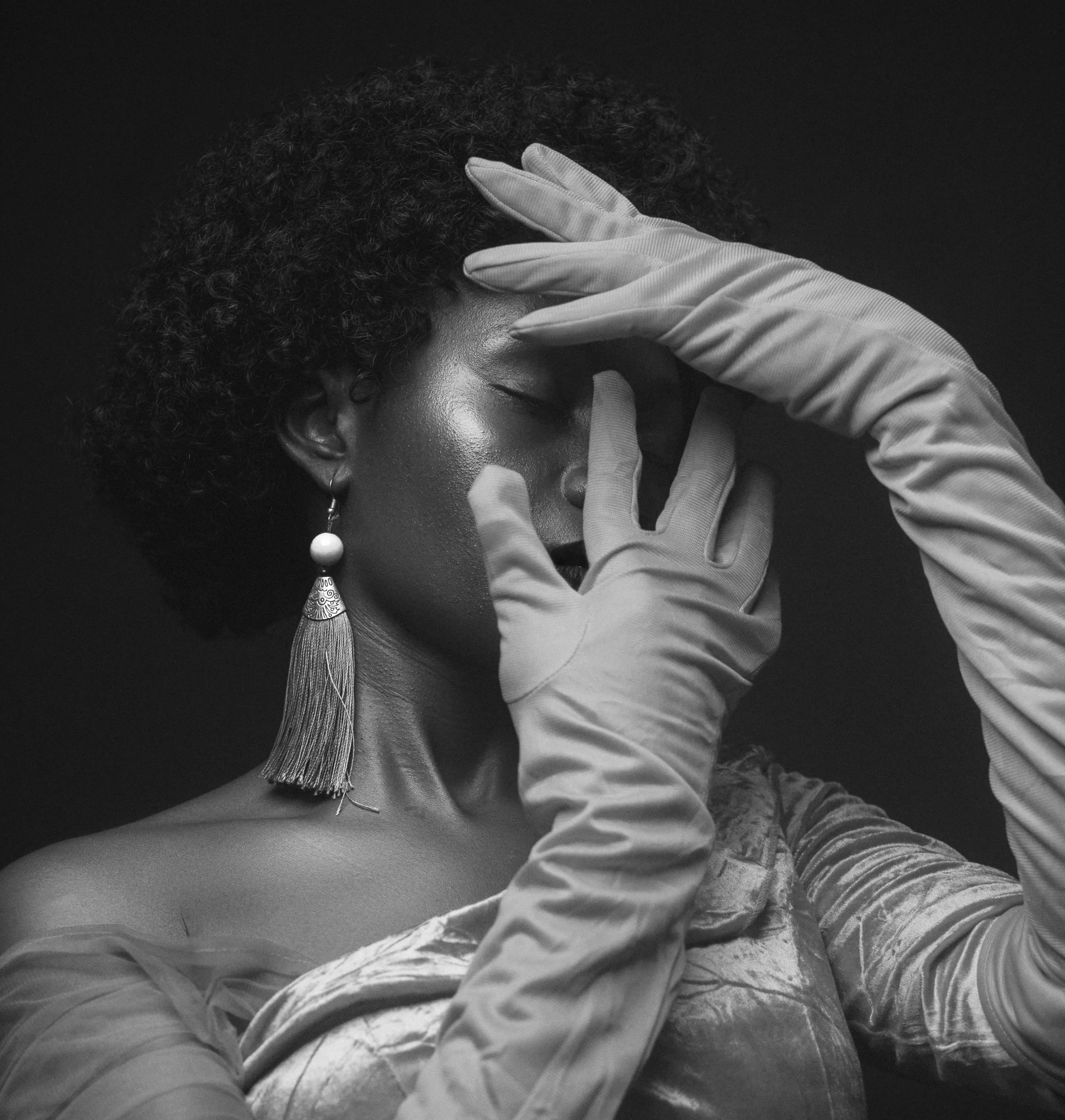
Photo by Godfred Kwakye on Unsplash
Vocal cord nodules and polyps “occur on both vocal cords and result mainly from chronic trauma to the vocal cords from habitual yelling, singing, or shouting.” While polyps can “form after a single episode of vocal abuse (like yelling at a sports event),” they more commonly develop from persistent vocal strain. When you scream or yell, the collision of the vocal folds is much more forceful and damaging than normal speaking. Normal loudness levels for speaking are around 70 decibels. Yelling can result in over 100 decibels. That increased compression and impact causes the vocal cords to swell and vibrate abnormally, leading to inflammation. For my colleague, years of fighting and yelling in her marriage created chronic trauma to her vocal cords - trauma that happened outside of her professional work, but destroyed her professional instrument nonetheless. This is the irony vocalists and voice teachers rarely discuss: you can have perfect technique on stage and still damage your voice through screaming at home.
The medical literature is clear: vocal polyps are “caused most often by overuse of the voice” and patients need “speech rehabilitative therapy to learn to avoid harsh vocal habits (screaming, yelling, or speaking too long at one time).” The Cleveland Clinic states plainly: “Singing (particularly in professional singers), screaming, and frequent talking” can all lead to nodules or polyps. When the damage comes from years of vocal abuse in personal relationships, the grief becomes even more complex because this injury was, in many ways, preventable.
But it’s not just the physical act of yelling that damages the voice. The chronic stress of a toxic relationship creates a cascade of physiological responses that make vocal injury more likely. Research shows that among patients with voice disorders, “25.0% showed elevated stress, 36.9% elevated anxiety, and 31.2% elevated depression scores” compared to norms. Women showed “higher stress, depression, and anxiety scores than men.” Chronic stress causes muscles throughout the body to tighten, especially around the neck and shoulders. As one ENT specialist explains, “When we talk about stress, one of the common phrases used is ‘feeling uptight.’ This is exactly what is happening, as stress cause muscles throughout the body to tighten.” This muscle tension creates tightness in the internal laryngeal muscles as well, leading to Muscle Tension Dysphonia (MTD).
Here’s where it gets devastating: untreated MTD “can lead to damage to the vocal cords themselves, such as causing nodules or cysts to form.” The constant increased muscle tension from chronic stress creates a perfect storm for vocal injury.
Studies specifically examining psychosocial distress in patients with voice concerns found higher anxiety and stress scores in patients with hyperfunction-related voice disorders. The research confirms: “There is a very strong link with psychological issues such as anxiety, stress, depression and our emotions in general, and MTD.” My colleague didn’t just lose her singing voice to the yelling - she lost it to the years of chronic stress, the muscle tension, the anxiety, the emotional depletion that comes from being in a relationship where fighting was the primary mode of communication.

Photo by Eduard Delputte
I’d be remised if I didn’t acknowledge the compounding crisis of multiple life transitions at once. My colleague isn’t just losing her voice. She’s simultaneously navigating divorce after over two decades of marriage - two seismic identity shifts happening at once. Research on identity loss shows that major life changes like job loss and divorce can trigger profound confusion and uncertainty about one’s sense of self.
Julie Andrews, whose legendary singing career ended after vocal surgery, told AARP Magazine: “When I woke up from an operation to remove a cyst on my vocal cord, my singing voice was gone. I went into a depression. It felt like I’d lost my identity.” One opera singer who sustained a vocal injury wrote: “As singers, our identities are so closely entwined with our instruments that it is hard to tell where one starts and the other ends. The sudden loss of this identity can be incredibly traumatic and brings with it an unwelcome cocktail of fear, shame, disappointment, paranoia and isolation.” As one psychologist specializing in artistic career loss writes: “A singer with vocal nodes may not feel like herself when she can’t express herself through song... Grieving the loss of self is normal. Individuals may experience sadness, anger, anxiety, or even numbness as they mourn familiar routines, community, creative expression, and purpose.”
This is precisely why I created the Integrative Vocal Wellness™ approach at First Instrument™. Emotional health IS vocal health. Your voice is the intersection of your physical body, your emotional landscape, your energetic presence, and your spiritual truth. You cannot damage one without affecting the others.
Physical Wellness includes vocal technique, proper breathing, hydration, and “avoiding yelling, screaming, or talking for extended periods without breaks.” But it also means understanding that every time you yell in your personal life, you’re depleting the same instrument you rely on professionally.
Emotional Wellness means processing difficult emotions in healthy ways - not screaming them at your partner. It means recognizing when a relationship is depleting rather than nourishing you. Studies show that “chronic stress can lead to habitual muscle tension, resulting in vocal strain, hoarseness, and even long-term vocal damage.” The research is unequivocal: patients with voice disorders show significantly elevated rates of stress, anxiety, and depression. More importantly, “stress and depression were more common with MTD than with lesions,” suggesting that emotional distress contributes to muscle tension patterns that cause physical damage.
Energetic Wellness: In our chakra-based vocal work, the throat chakra (Vishuddha) connects to authentic expression and truth-telling. When you’re in a relationship where you can’t speak your truth without yelling, your throat chakra becomes blocked. The energetic imbalance manifests as physical injury.
Spiritual Wellness: Your voice is sacred not because of what it can do, but because of what it IS. When a relationship requires you to violate your voice through chronic fighting, you’re violating something sacred.

Photo by Pavel Danilyuk
So how do we navigate our path forward and protect the voice and our life? For anyone who wants to prevent this kind of devastating loss:
Recognize the Warning Signs Early: If you experience hoarseness for two weeks or more, see a laryngologist immediately; however, also pay attention to patterns in your life. Are you yelling regularly? Are you in a relationship where conflict resolution means screaming? These are risk factors for vocal injury.
Address Emotional and Relational Root Causes: If chronic stress or toxic relationships are contributing to your vocal issues, no amount of vocal technique will save your voice. “Techniques like deep breathing, relaxation exercises, and psychological counseling can be beneficial in managing stress-related” vocal problems. Studies show that women show “higher stress, depression, and anxiety scores than men” even with gender-adjusted norms. If you’re a woman experiencing vocal issues, please consider whether emotional and psychological factors are playing a role.
Set Boundaries and Make Hard Choices: Sometimes protecting your voice means leaving a toxic relationship. Sometimes it means refusing to engage in screaming matches. My colleague’s divorce, painful as it was, may have been necessary not just for her emotional health, but for any hope of vocal healing.
Learn New Patterns: Learn to avoid “excessive screaming, shouting, and yelling.” But also build new emotional patterns. Learn to express anger without yelling. Develop healthy conflict resolution skills. Practice stress management through meditation, yoga, or other modalities.
Your voice is not separate from your life. The relationship where you scream every night? That’s happening to your vocal cords. The chronic stress from your toxic job or partnership? That’s creating muscle tension that damages your instrument. The anxiety and depression you’re not addressing? They’re contributing to vocal dysfunction.
My colleague’s injury came from years of screaming in her marriage. The distinction matters because it means this injury was preventable - not through better singing technique, but through healthier emotional patterns, better boundaries, and the courage to leave toxic situations before they destroy your instrument. If you’re in a relationship where yelling is normal, your voice is already paying the price. If you’re experiencing chronic stress and anxiety, your vocal cords are being damaged. Your voice doesn’t distinguish between “professional” and “personal” use. Every scream damages the delicate tissues. Every stress-induced muscle tension creates patterns that lead to injury.
The Integrative Vocal Wellness framework reminds us that protecting your voice might mean ending a toxic relationship. It might mean getting therapy for anxiety. It might mean setting boundaries you’ve never set before.

Photo by Jeffery Erhunse
To my colleague and anyone reading this who sees themselves in this story:
Your voice was sacred when it could sing effortlessly.
Your voice is sacred now, even in its brokenness.
The relationship that damaged it? That wasn’t your fault.
The years you spent fighting? You were surviving.
The voice you lost? Grieve it fully.
But also know this:
You are more than what was taken from you.
May you heal - not just your voice, but the parts of yourself that accepted less than you deserved.
May your story help others protect what you couldn’t save.
The instrument may change. The sacred remains.
And sometimes, the breaking is what makes us whole.
With love + vitality,
Shauna <3
RESOURCES:
Voice Care: National Center for Voice and Speech (ncvs.org), American Speech-Language-Hearing Association
Relationship Health: Domestic violence hotline 1-800-799-7233, couples therapy for healthy conflict resolution
Grief Support: Life Transitions Therapy specialists, “The Final Bow: Finding Yourself After Artistic Career Loss” (Psychology Today)
If you’re experiencing vocal issues or find yourself in patterns that damage your voice, please reach out. Integrative Vocal Wellness isn’t just about technique - it’s about honoring the sacred connection between your voice and your life.
